Reverse Mortgages: Canada vs USA
Review of the Major Differences
3 min read
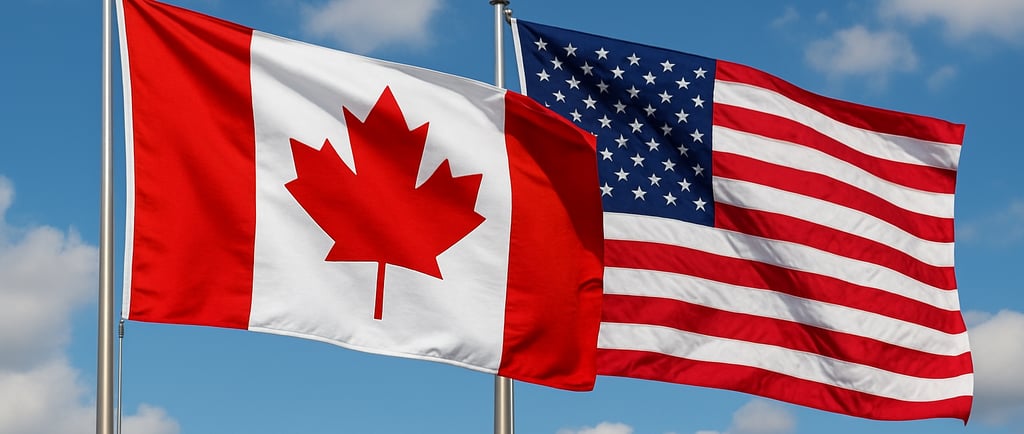
Reverse Mortgages: Understanding the Key Differences Between Canada and the U.S.
If you’ve ever watched American news or read U.S. financial media, you’ve probably come across terms like HUD, HECM (Home Equity Conversion Mortgage), FHA, or references to qualifying at age 62 for a reverse mortgage. While these terms may sound familiar, they don’t apply in Canada.
Both the United States and Canada offer a reverse mortgage product but the rules, eligibility requirements, and safeguards are very different. Understanding these differences is crucial to avoid any confusion if you’re considering a reverse mortgage in Canada.
A Brief History of Reverse Mortgages
Reverse mortgages have existed for more than 30 years in both countries.
In the U.S., the product is often associated with the term HECM, Home Equity Conversion Mortgage.
In Canada, it was once known as the Canadian Home Income Plan (CHIP) before being rebranded as the CHIP Reverse Mortgage.
Despite their different labels, the purpose is the same: to help seniors unlock the equity in their homes to support retirement. However, the rules that govern who qualifies and how the loan works diverge significantly.
Qualification Rules: Canada vs. the U.S.
The most notable difference lies in age and spousal requirements:
United States: At least one spouse must be 62 years or older to qualify. Before 2014, this created problems if the qualifying spouse passed away while the younger spouse was under 62, sometimes leaving them at risk of losing their home.
Canada: Both applicants must be at least 55 years old. This rule ensures that no surviving spouse suddenly becomes ineligible or faces foreclosure due to age restrictions.
Other key distinctions include:
In Canada, independent legal advice is required before approval. This safeguard is absent in the U.S.
Closing costs and ongoing servicing fees are typically higher in the U.S. compared to Canada.
These differences explain why the reverse mortgage has historically had a more negative reputation in the U.S., which unfortunately often spills over to the Canadian side. In Canada, borrowers are offered more safeguards that don’t get the same publicity.
Key Similarities Between Canadian and U.S. Reverse Mortgages
Despite the differences, there are some important similarities:
Loan-to-Value Limit: Neither country allows borrowing more than about half your home’s equity (55% in Canada). This ratio leaves plenty of room to ensure there is equity remaining in the home when the reverse mortgage is terminated which protects the borrow and their estate…not to mention the lender, of course.
No Mandatory Payments: Monthly payments are never required. Borrowers can choose to make payments toward interest, but very few Canadians actually do.
Outstanding Debts Must Be Cleared: Any existing mortgages, property taxes, or liens must be paid off—often using funds from the reverse mortgage itself.
These shared features protect homeowners and lenders alike, ensuring the reverse mortgage remains a safe financial tool when used appropriately.
Why Canada’s Reverse Mortgage is Safer
The fundamental goal is the same in both countries: to give seniors financial flexibility by accessing the equity in their homes. But Canada’s stricter requirements—such as age qualifications for both spouses and mandatory legal advice—mean fewer surprises and more security.
Unlike the U.S., where many families were blindsided before 2014, Canadian borrowers have stronger safeguards that prevent sudden loss of eligibility or foreclosure.
Final Thoughts
If you’ve only read about reverse mortgages in U.S. media, it’s important to separate fact from fiction. The reverse mortgage in Canada is designed with stricter protections, conservative banking practices (remember the 2008 banking crisis in the US), and mandatory legal oversight to ensure homeowners make informed, secure choices.
For Canadians considering this option, a reverse mortgage can be a valuable way to supplement retirement income, cover living expenses, or enjoy a more comfortable lifestyle—without being forced to sell their homes.
Free Professional Consultation
If you have any unanswered questions, uncertainties or would like to go over your specific financial needs and goals, please contact me at mike.a@reversemortgageportal.ca to set up a call. As a CPA, Chartered Professional Accountant, of over 20 years, I know the importance of understanding the full picture before making recommendations. I look forward to learning more about you and your financial needs so I can help you make the best decision.
Don’t forget to ask about our $400 rebate!
Support
Expert guidance for your reverse mortgage needs
CONTACT US
QUESTIONS
Phone: 647-873-2414
© 2025. All rights reserved.
Mike Arsic, CPA - Mortgage Agent L1
License #M25001353
Brokerage: Mortgageville FSRA 13693